

|
SPINAL HYGIENE Join us for our workshop on Tuesday, July 23rd 2019 from 6:00 – 7:00pm, where you will learn a set of practices designed to maintain your spinal health. As we guide you through a series of stretches and exercises, we will be discussing what spinal hygiene is, why it is so important, and how proper spinal hygiene practices can help with a variety of things including:
To register, go to the following URL and click on “Spinal Hygiene Workshop”. https://thrivechiro.janeapp.com We recommend you wear something that you feel comfortable in that is easy to move around in. And don't forget to bring water!
Please bring a yoga mat, if you don't have one we will have some available to rent for $2. We are thrilled to be a part of such a great community! We are the only Chiropractic centre located conveniently in the Downtown Kingston Core and we want to help as many people as we can to get pain free and to have their health thrive!
1 Comment
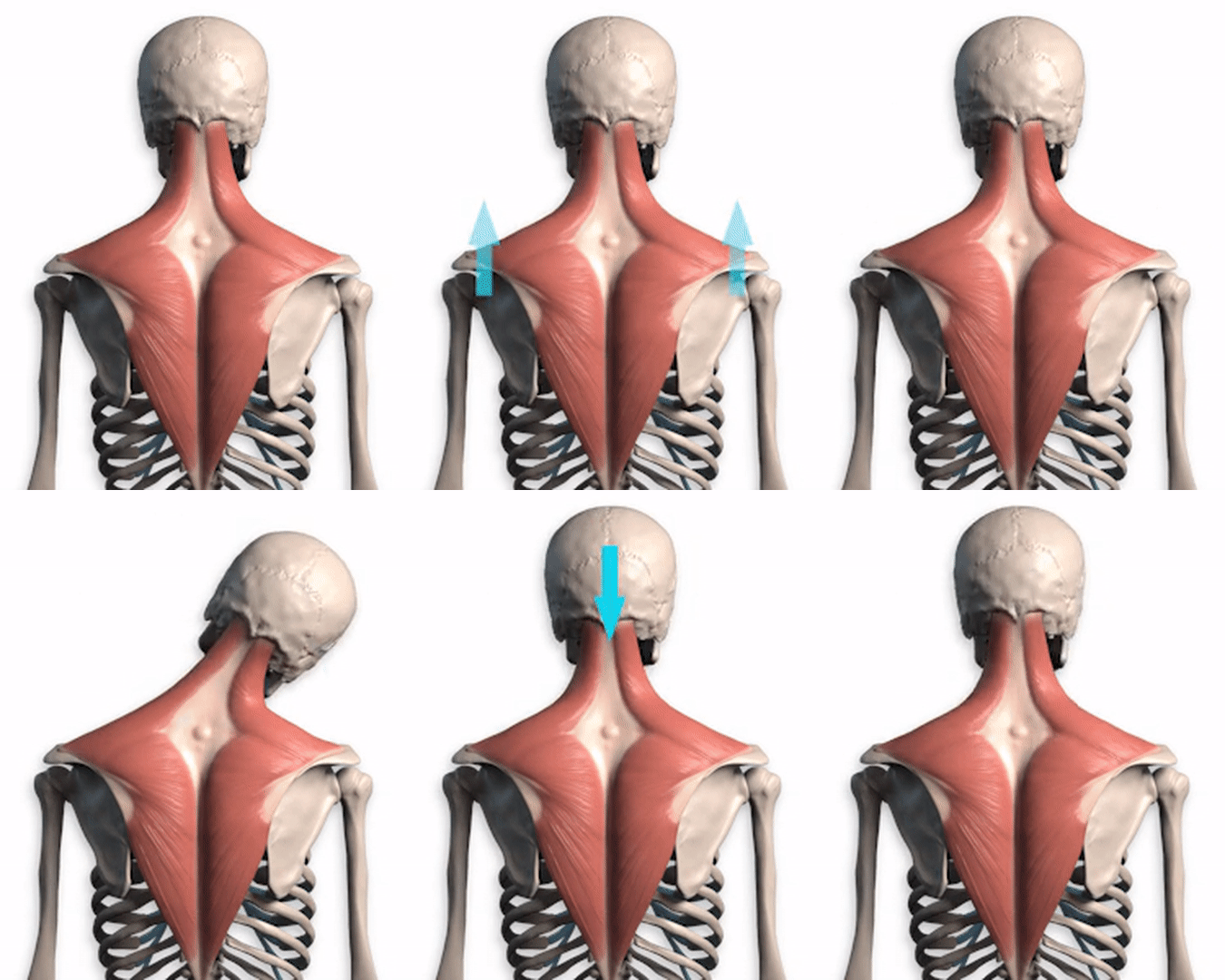
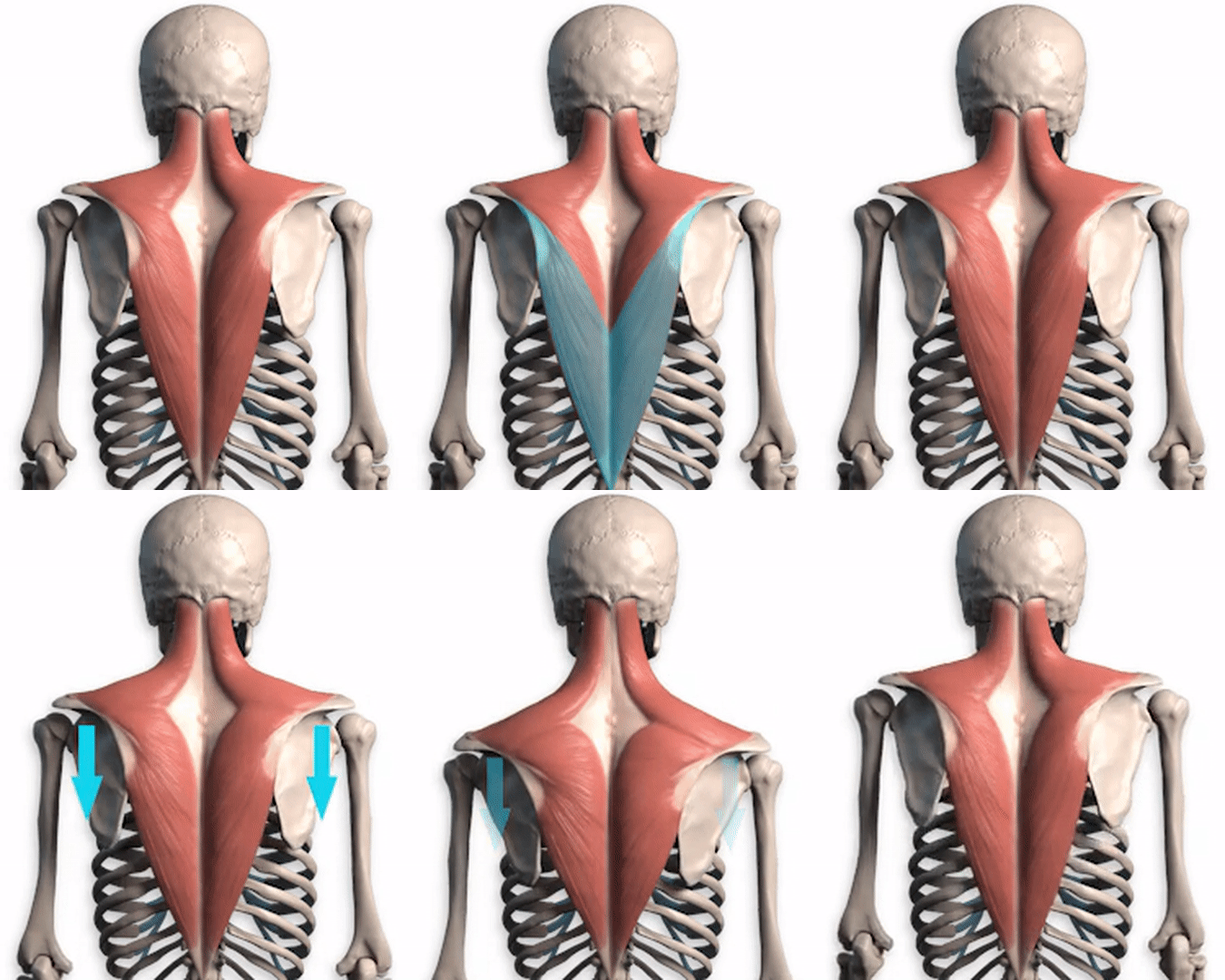
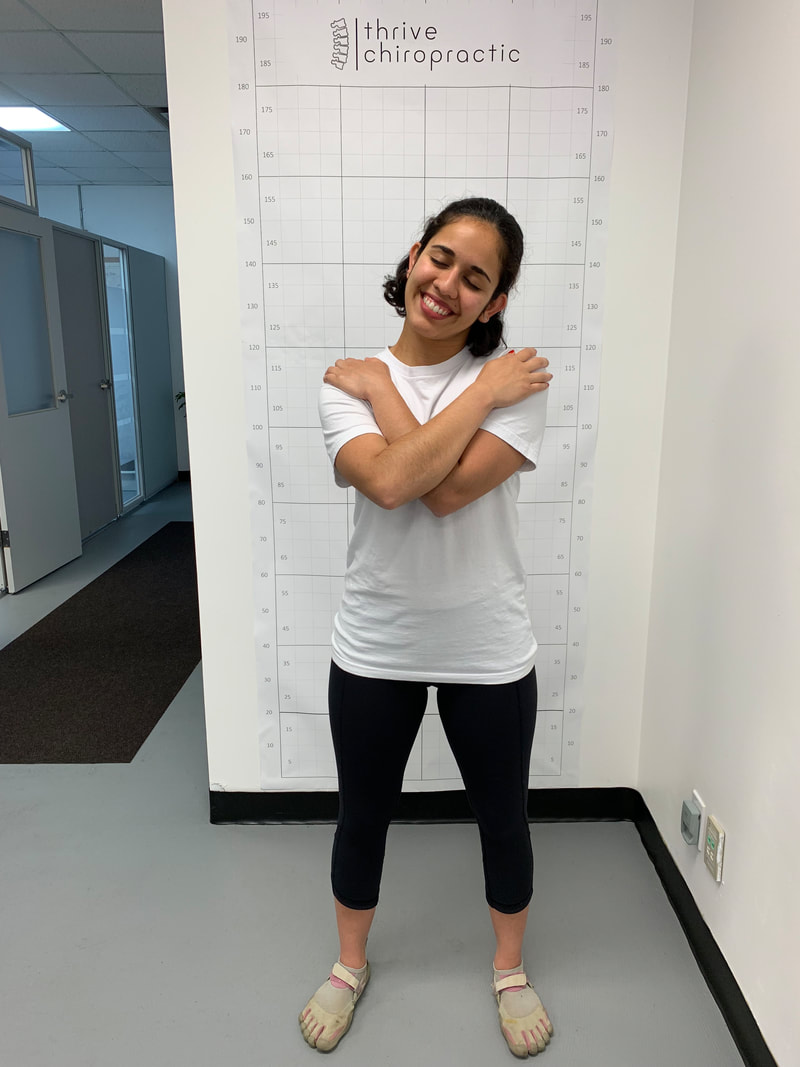
Your trapezius is large surface muscle that spans across your back in a diamond shape. Its main function is to both move and stabilize your shoulder blades (scapula). By stabilizing the shoulder blades, the trapezius muscle can create movement of the spine. Its actions are as follows:
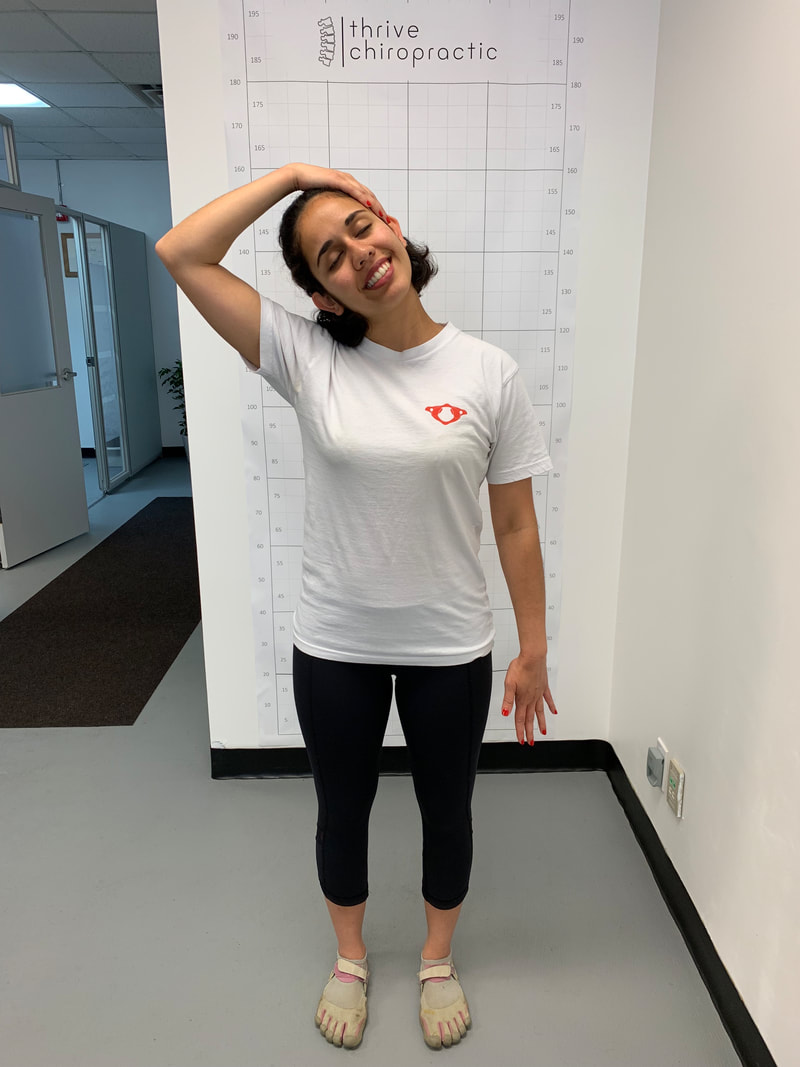
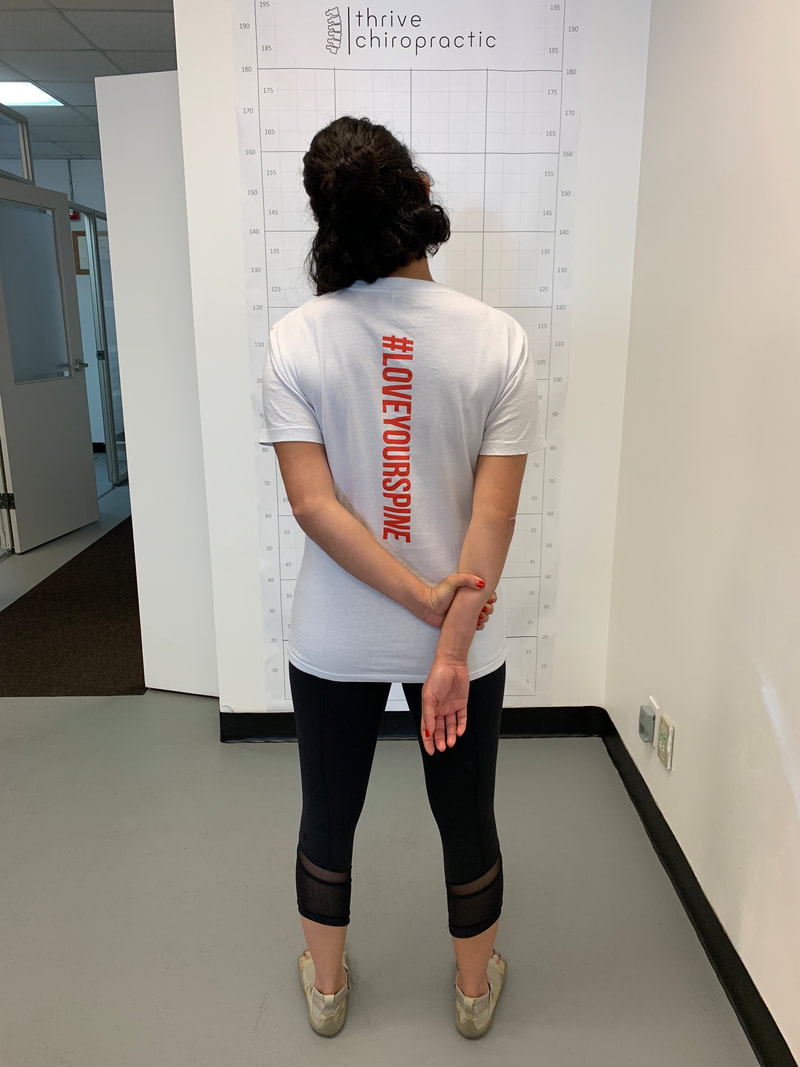
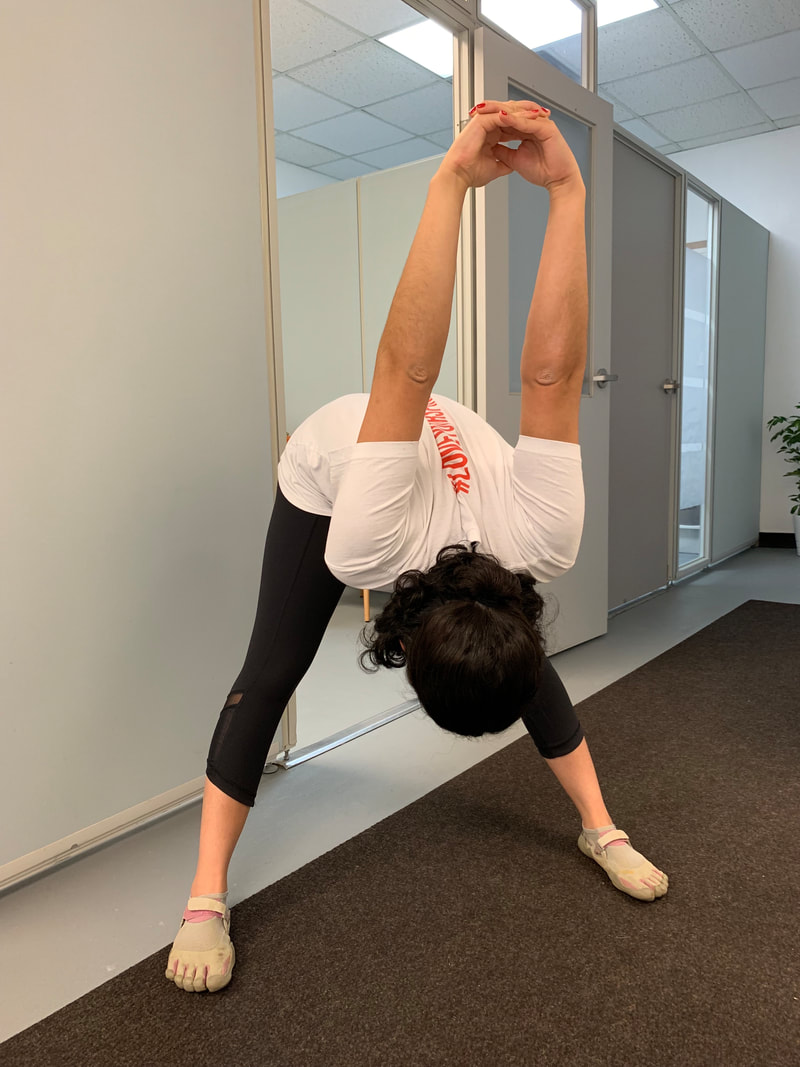
The trapezius muscle is a common culprit for aches and pains in the upper back and along the top of the shoulders. Mental stress is a HUGE contributor to tightness and discomfort in this muscle group. When the trapezius is very tight in the upper fibres along the top of your shoulders and neck, then focussed pressure on that area (such as shoulder straps pressing down from wearing a heavy knapsack), may trigger a headache. So if you're often stressed out or suffer from frequent headaches, you will definitely want to work on stretching out your traps! Below are some great trapezius stretches for you to try out!
None of the stretches shown should cause any pain or discomfort. If you feel any pain during your stretch, please stop and consult your Chiropractor, it might be time to have your spine checked. Click HERE to make an appointment. I can't stress this enough, DO NOT ever FORCE the stretch! As you're feeling the stretch, try to breathe out. With each breath out, let your shoulder and neck relax more and more. You will start to feel a better quality stretch and you'll feel your flexibility improve as you breath and focus on relaxing into the stretch. It only takes a few minutes, a bit of mindfulness, a touch of practice and a dash of consistency to stretch properly and keep your neck and shoulders free of muscle tension! Try some of these great trapezius stretches out for yourself and feel the difference it can make! NUTRITION: HEALTHY CELLS, HEALTHY LIFE! Join us for our first workshop on Thursday, June 20th, 2019 starting at 6:00pm, where we will discuss the importance of proper nutrition. Launch your health goals by learning how nutrition can support healing at a cellular level! We will be covering topics including:
Everyone is welcome! Please register online as space is limited. To sign up for the workshop, go to the following URL and click on “Nutrition Workshop”. We are thrilled to be a part of such a great community! We are the only chiropractic centre located conveniently in the Downtown Kingston Core and we want to help as many people as we can to get pain free and to have their health thrive!
Your body is so good at taking care of you! Inside each and every one of us exists an innate intelligence that helps to keep us functioning and healthy. Think of innate intelligence as "the inborn wisdom of your body". Sometimes your body simply knows what you need, and what to do without you making any conscious effort. Just think about it, when you get too hot then your body responds by perspiring to help cool you off faster. If you get something caught in your throat, your body forces you to cough to help remove the obstruction. When you get a cut or a scrape, your body coagulates the blood to stop the bleeding, and given time, your body will lay down new skin tissue to close and repair the wound. I have had the misfortune of fracturing a bone (my right arm... twice!), and both times my arm was put in a cast. The cast was great at preventing further injury or deformation, but it didn't fix my arm. Yet again, it was the innate power of my body that repaired and replenished the bone tissue to ultimately heal my broken arm. If you've ever had a cold or flu then you may have taken some type of medication to feel better. Those symptoms you're trying to alleviate are only the tip of the iceberg. While symptoms are very evident on the surface, they are often a result of an underlying condition with the root cause hidden deep underneath the surface. That's why it's important to seek out and correct the root cause instead of treating only the symptoms. 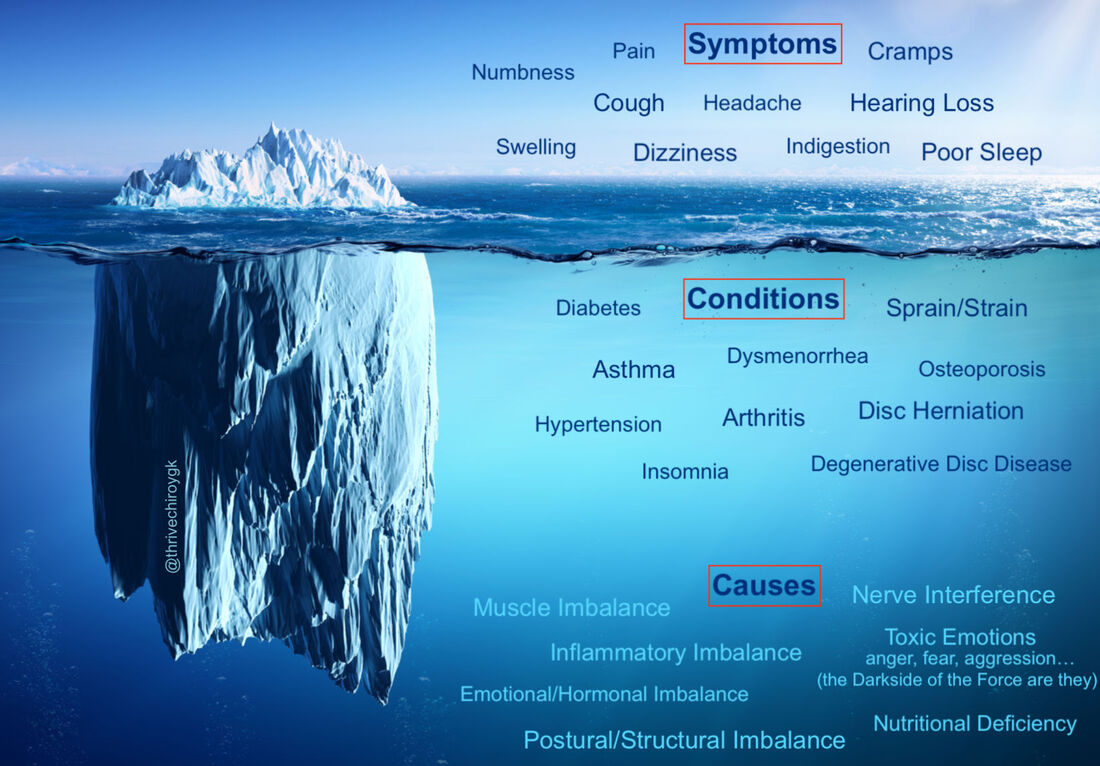 Every Symptom has a Root Cause Your body is so intelligent that it even tries to give you warnings when your health may be compromised. Symptoms are warnings from your body that suggest there is more going on under the surface. Have you ever felt cold or chilly when you normally wouldn't at that temperature? Thermoregulation (controlling your internal body temp.) is the first thing to be compromised when you're falling sick. Symptoms are your body's way of warning you that you may be on the verge of becoming sick or unwell if you don't take any preventative measures.
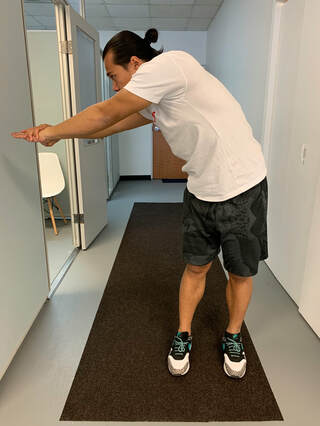
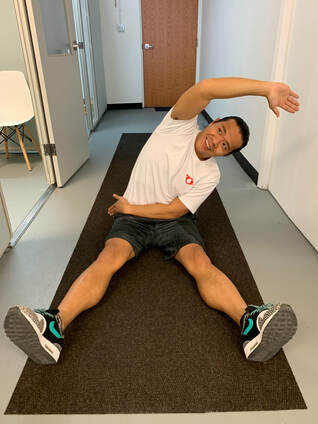
As you can see, your body is very intelligent and it wants to keep you healthy and at your best. As long as your body is functioning properly, then the best doctor is you! So if the best doctor is you, then how can a chiropractor help? First, it's important to understand that chiropractic care doesn't "treat or heal" anything. As you already know it's your body - your INNATE INTELLIGENCE - that does the healing. Chiropractors facilitate the proper function of your body by restoring spinal alignment. Proper spinal alignment helps to remove nerve interference. Your nerves control every single function in your body. As long as your nerve supply is free of interference, your innate intelligence can do its job to keep you functioning at your best! If you're tired of treating only the symptoms and are ready to dig down to find the root cause, please click HERE to visit your friendly neighbourhood chiropractors! Your quadratus lumborum is a deep muscle in your lower trunk that is responsible for a variety of actions:
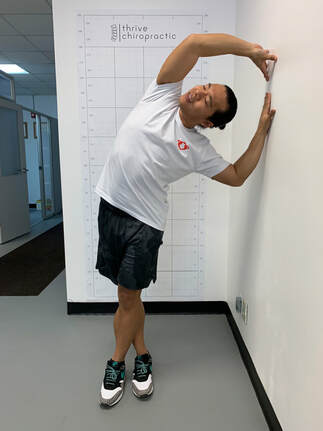
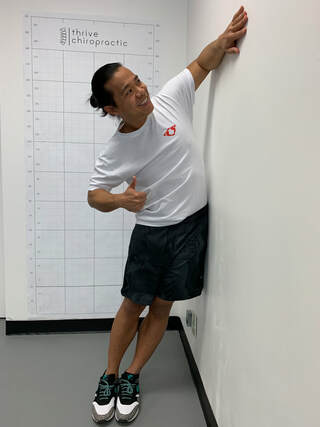
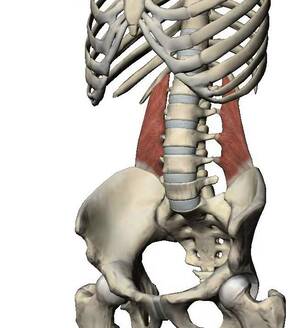 The Quadratus Lumborum is a deep muscle that has attachments on 4 out of 5 of your lower back vertebra, the top of your pelvis, and it also attaches on your lowest rib. It plays an important role in stabilizing the lower trunk. The Quadratus Lumborum also plays an important role in stabilizing your lower back and these muscles are often working hard behind the scenes even if you don't realize it! Because this muscle group does so much work contracting and relaxing repeatedly throughout the day, they can often become VERY tight. I actually had not realized just how tight my QL's had gotten until I started stretching them for the first time. From that point on I made sure that QL stretching was included as part of my Spinal Hygiene to maintain the health of my spine and to prevent risk of future injury. I continued to spend a few minutes each day stretching out this muscle and then after a couple weeks of stretching my QL's consistently, I felt like a new person! I'll describe some of my favourite Quadratus Lumborum stretches below.
None of the stretches shown should cause any pain or discomfort. If you feel any pain during your stretch, please stop and consult your Chiropractor, it might be time to have your spine checked. Click HERE to make an appointment. Don't ever force the stretch. As you're reaching into the stretch, try to breathe out. As you breathe out, focus on keeping your QL and lower back muscles relaxed. As the lower back muscles relax, let gravity drag you deeper into the stretch. You should find that you're able to stretch further when you relax into the stretch. It just takes a bit of mindfulness, practice and consistency to stretch properly. Try some of these great quadratus lumborum stretches out for yourself and feel the difference it makes! Thrive Chiropractic
214 Wellington Street Kingston, ON K7K 2Y7 (613) 217-1560 |
AuthorDr. Kim Nguyen, D.C. Archives
January 2021
Categories |
 RSS Feed
Site powered by Weebly. Managed by Web Hosting Canada